
The Future of Trading: Auto Forex Trading Explained
The realm of the financial markets has undergone a revolution in recent years, and one of the standout innovations is auto forex trading. This cutting-edge approach leverages algorithms and automated systems to perform trades on behalf of traders. In this article, we will delve into the concept of auto forex trading, its benefits, potential risks, and how to effectively implement an automated trading strategy. To learn more about platforms that support auto forex trading, check out auto forex trading https://fxtrading-broker.com/.
Understanding Auto Forex Trading
Auto forex trading refers to the use of software to execute trades in the foreign exchange market automatically, based on predefined criteria. This technology harnesses the power of algorithms, complex mathematical models, and historical data analysis to make trading decisions without human intervention.
Such systems typically use trading indicators and signals to determine when to enter and exit trades, enabling them to execute strategies more efficiently than a human trader.
Benefits of Auto Forex Trading
One of the primary advantages of auto forex trading is its ability to operate 24/5 without the need for continuous human supervision. This means that traders can take advantage of price movements at any time, even while they sleep. Here are some more benefits:
- Emotionless Trading: Automated systems execute trades based on data rather than emotions, reducing the risk of impulse decisions.
- Backtesting: Traders can rigorously test their automated trading strategies using historical data to determine their effectiveness before applying them in live markets.
- Speed and Efficiency: Algorithms can analyze data and execute trades much faster than human traders, giving them an advantage in capturing profitable opportunities.
- Diversification: Traders can employ multiple automated strategies across different currency pairs simultaneously, spreading risk and enhancing potential returns.
The Mechanics of Auto Forex Trading Systems
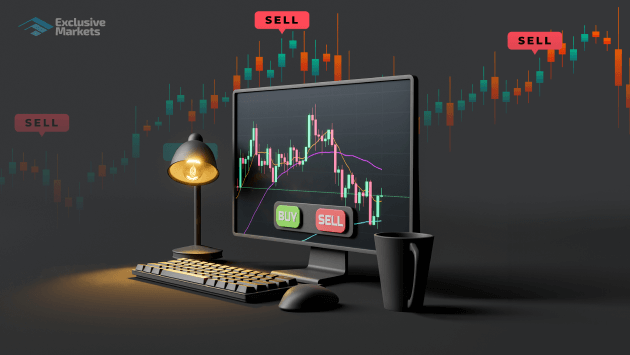
Auto forex trading systems typically consist of three main components:
- Trading Algorithm: This is the heart of an automated trading system. It contains the rules and parameters that dictate how trades are executed. Algorithms can be simple, based on a few indicators, or complex, involving machine learning and advanced statistical methods.
- Trading Platform: This is the software interface through which traders manage their automated systems, often with features for monitoring performance, making adjustments, and configuring parameters.
- Brokerage Connection: For auto forex trading to function, the trading system must be linked to a broker that offers an API (Application Programming Interface) capability, allowing for automated order placement.
Getting Started with Auto Forex Trading
If you’re considering diving into the world of auto forex trading, here are some steps to help you get started:
- Choose a Reliable Broker: Look for a broker that provides an API, competitive spreads, and robustness in execution. Ensure the broker is regulated by a reputable authority.
- Select a Trading Strategy: Decide on the trading strategy that aligns with your risk tolerance and trading goals. You might choose a trend-following strategy, a mean-reversion strategy, or a breakout approach.
- Implement an Algorithm: Codify your trading strategy into an algorithm or choose a pre-built trading system that suits your needs. Ensure to conduct thorough backtesting.
- Monitor Performance: Regularly check the performance of your automated trades. Adjust or modify your algorithm based on market conditions and changing dynamics.
Risks Associated with Auto Forex Trading
While auto forex trading can be highly beneficial, it’s crucial to understand that it’s not a foolproof method. Some of the risks include:
- Technical Failures: Hardware malfunctions, software bugs, or connectivity issues can lead to losses if the system fails to execute trades as intended.
- Market Volatility: Rapid price changes and unexpected market events can adversely affect an automated strategy that may not have been built to accommodate sudden shifts.
- Over-Optimization: In the quest for “perfect” strategies, traders may over-optimize their systems to fit historical data, leading to poor real-world performance.
- Dependence on Technology: Traders may become over-reliant on their automated systems, neglecting essential market analysis and trading fundamentals.
Conclusion
Auto forex trading represents a significant advancement in the trading landscape, providing numerous advantages such as efficiency, emotional detachment, and the ability to operate across multiple currencies simultaneously. However, as with any trading method, there are inherent risks involved. By understanding the mechanics, benefits, and risks, traders can better navigate the complexities of automated trading systems. Whether you’re a novice looking to break into forex trading or an experienced trader seeking to enhance performance, auto forex trading could be a valuable tool in your trading arsenal.